[Perfect Reproduction] A recipe for instant Ramen (cup) with a professional taste
 Tabira
Regional ramen Area:
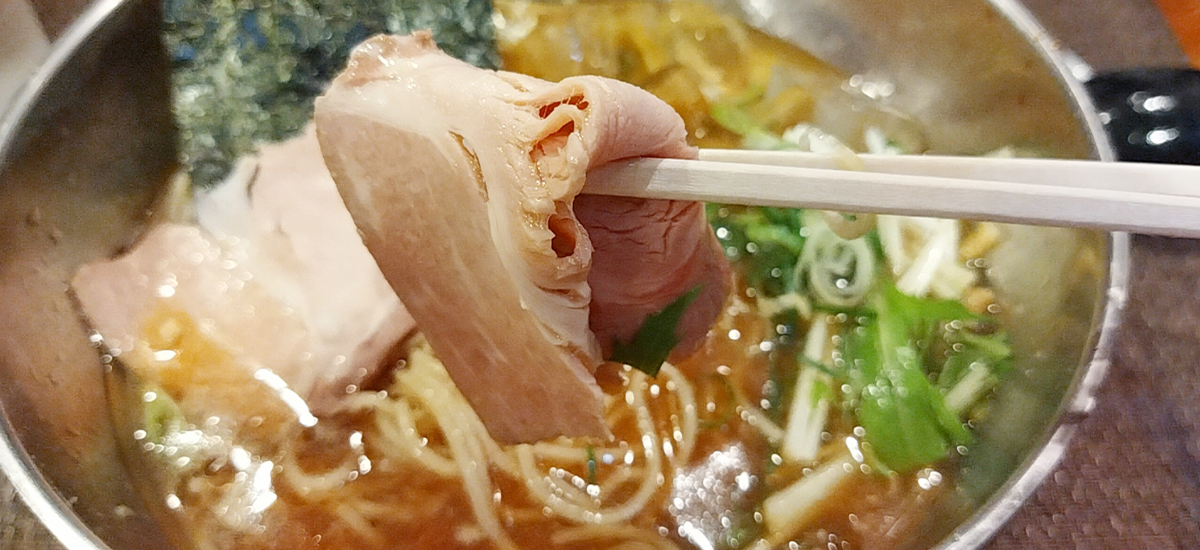
![[Recreating a famous Ramen shop] How to make instant Ramen (cup) Ramen](https://cookpit.jp/wp-content/uploads/2023/03/ef5cfef5696d25775a2cfb70661b2411.jpg)
Introducing a Ramen recipe for "instant Ramen (cup)".
Instant Ramen (cup) is delicious as is, but depending on how you prepare it, it can be made even more delicious and have an authentic taste.
This is a recipe using commercial Ramen soup that will easily make instant Ramen (cup ramen) taste like restaurant ramen.
Ingredients for Arranged Ramen (Cup Noodles)
・Instant Ramen
・Hot water
soup stock
・ Tonkotsu soup stock …30cc
How to make instant Ramen (cup noodles)
1. Add hot water and it will be ready in about 3 to 5 minutes.
Tips and Points
You can also enjoy instant Ramen with your favorite toppings.
In addition, by adding tonkotsusoup stock to the hot water, you can create Ramen that is sweet and rich in pork stock.
History and origins
It was Cup Noodles, initially called "instant noodles" and renamed "instant Ramen" when exported overseas, that popularized Ramen. Chicken Ramen, released by Nissin Flour Milling in 1958, was the instant Ramen before Cup Ramen. Against the backdrop of postwar poverty and food shortages, the instant Ramen was created to alleviate poverty, social turmoil, and anxiety about life, and to provide easy access to food. It encouraged and boosted America's surplus Wheat Flour but "Powdered Flour = is bread enough? A bread diet is inherently nutritionally unbalanced unless you eat a lot of side dishes. Why don't you add the traditional oriental food of noodles to the Powdered Flour encouragement?" and research and development is said to have begun. In fact, the novelty of instant Ramen noodles was their instant gratification, but their marketing was that they were "a complete meal that builds physical strength and boasts the best nutrition and taste. Ramen The second reform was "Cup Noodle" in 1971. It propagated Ramen to the international market beyond the cultural sphere of chopsticks and rice bowls. Ramen The achievement of introducing the name "Cup Noodle" to the world was a major event in noodle eating culture. The company's founder, Momofuku Ando, wanted to export instant noodles eaten with Fork chopsticks to Europe and the United States, where people could not use chopsticks. The container of Cup Noodle is a major invention in that it combines the three functions of wrapping material, cooking vessel, and tableware into one. This led to the choice of styrene foam, which is light, insulating, inexpensive, and odorless enough to be held in one hand, and to the idea of an intermediate holding method that would hold the noodles in the cup but prevent them from being destroyed by shaking. In the factory process, instead of placing the noodle in the container, a cup was placed over the top to allow for mass production, and the company began selling cup noodles as "TopRamen" in 1971 and "CupO'Noodle" in 1973. In Japan, each cup cost 100 yen. A bag of chicken Ramen was 25 yen and a bag of store-bought Ramen was around 250 yen. The third innovation, I would add, was to establish the name "ramen" for this noodle dish, which was often called "shina soba" or "chuka soba." In 1965, instant Ramen consumption was 2.5 billion servings a year; by 1976, it had increased to 4.55 billion servings. 2010 instant Ramen In 2010, instant sales were 95 billion servings worldwide. By country, China consumed 45 billion servings. In 2012, sales exceeded 100 billion servings. In 2012, sales surpassed 100 billion servings, and are expected to eventually exceed 400 billion servings worldwide. This is because demand will increase in Africa, which is suffering from food shortages. Why has instant noodles become a global phenomenon? (1) The raw material is wheat, which is the most consumed in the world, (2) the soup is made from chicken, which has no taboos, and (3) the method of frying in oil, which is favored all over the world. and in the 1,300 years of noodle eating culture. Now, with the entry and evolution of numerous food manufacturers, all kinds of noodles have been instantized, including flavored bagged noodles, bagged noodles with separate soup, cup noodles, chilled noodles, Tsukemen However, there is also this questionable view. The theory is that the inventor of the chicken Ramen is questionable because in 1955, three years before the product was launched, a similar product called "Seasoned Chinese Noodles" was sold by a company called Matsuda Sangyo. Matsuda Sangyo was unable to obtain a patent for the product, and sales slumped, leading to the discontinuation of "Seasoned Chinese Noodles" production. The company later changed its name to Oyatsu Company and re-launched the product in 1959 as "Baby Ramen (later Baby Star Ramen)". This is still sold today, but the first instant Ramen recognized as such was Momofuku Ando's Nissin Foods. Other chicken Ramen noodles were "Chicken Ito-men" by Yamato Tsusho and "Longevity Noodles" by Tomei Shoko a few months before the chicken launch. Toichi", which is also used in Chiba's Takeoka style Ramen, also had a history of selling instant noodles around this time. Among them, "Choujou-men" was adopted as a meal for the Antarctic expedition and became a topic of conversation, contributing to the spread of instant noodles Ramen. Regardless of the pros and cons of this, it can be said that the fact that the manufacturing process patent for "Chicken Ramen" was published without obtaining a patent contributed greatly to the spread and development of Ramen and instant Ramen.
Recommended Combinations
■Noodles:
■Sauce:
■Flavored oil:
■Toppings:
The author of this article
Recommended commercial soup
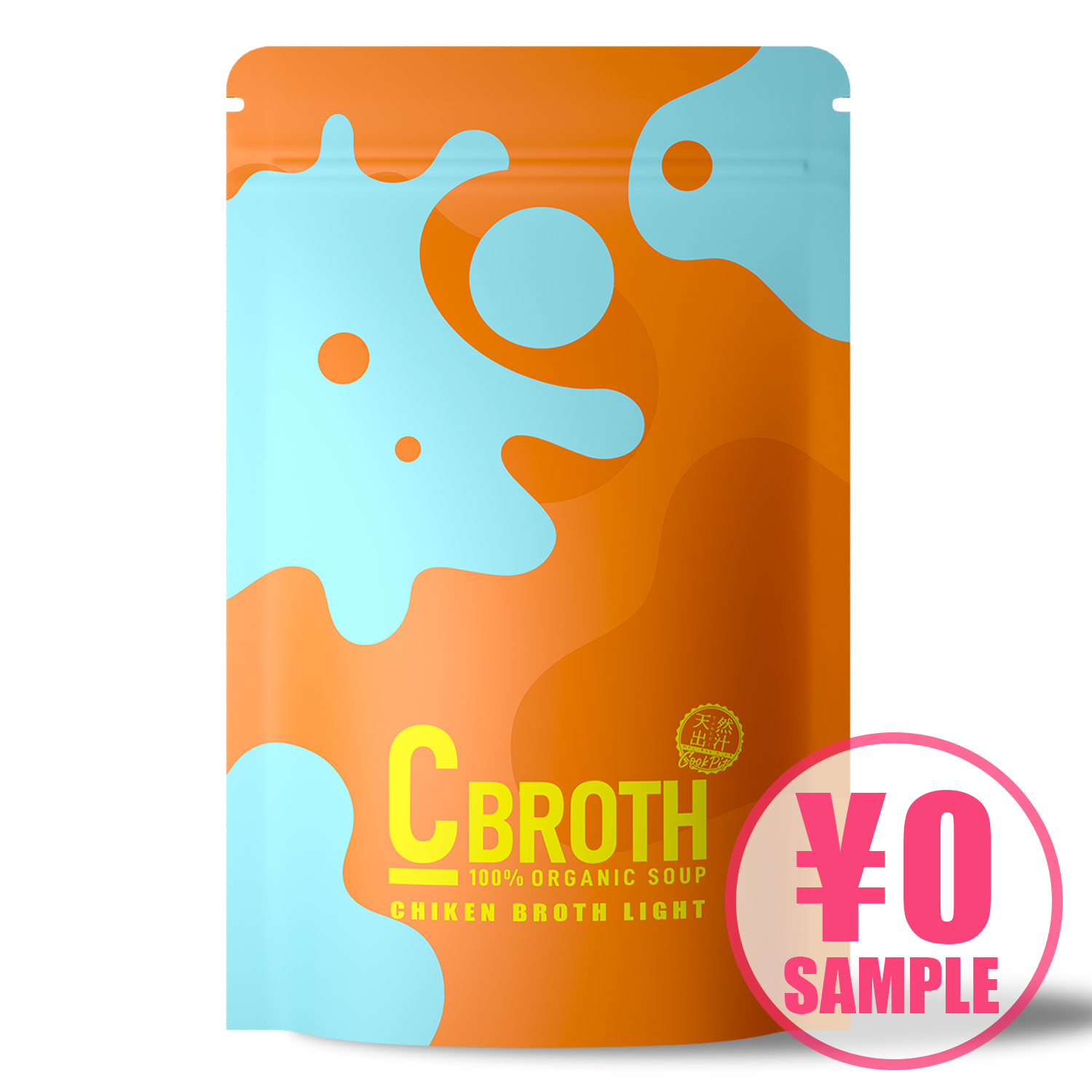
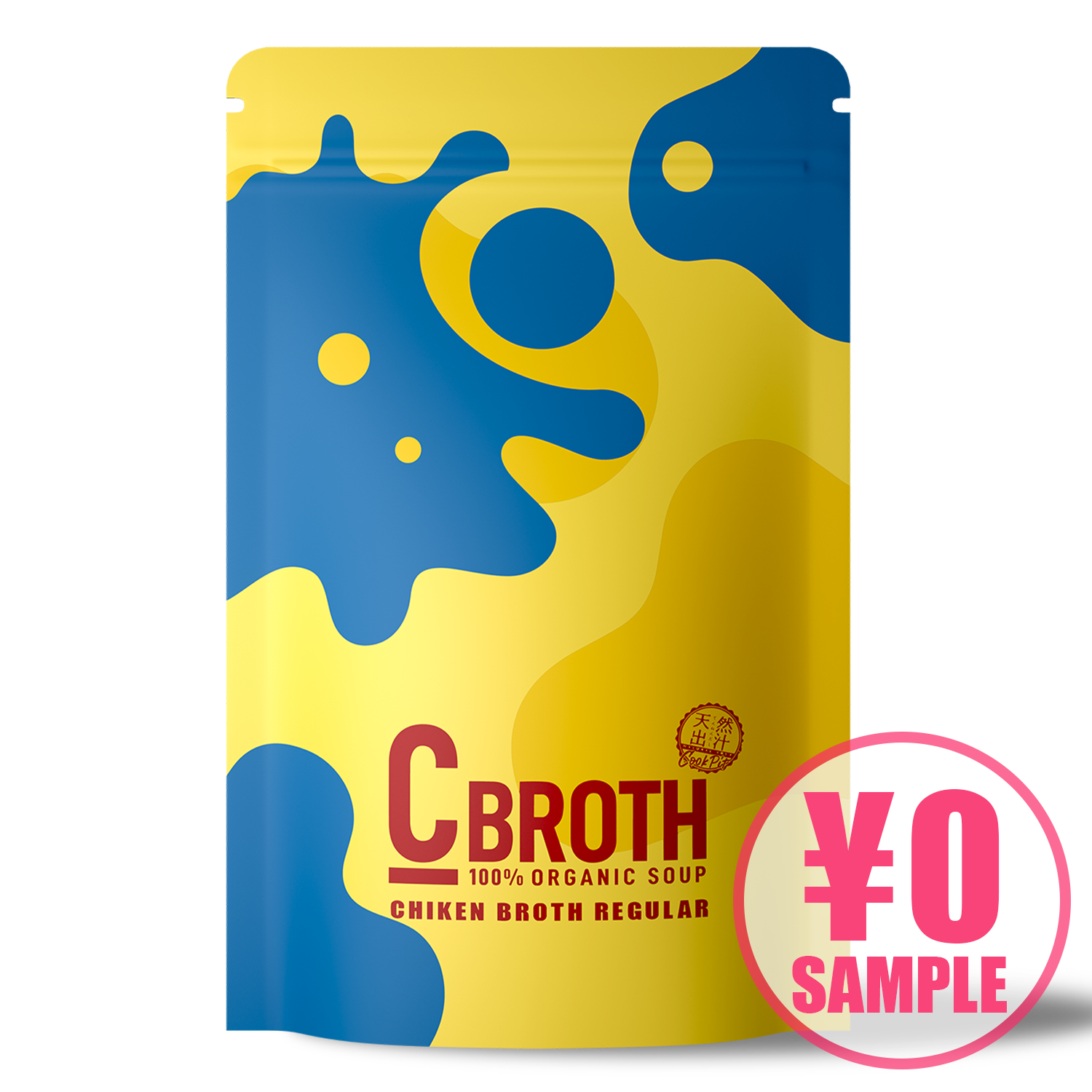
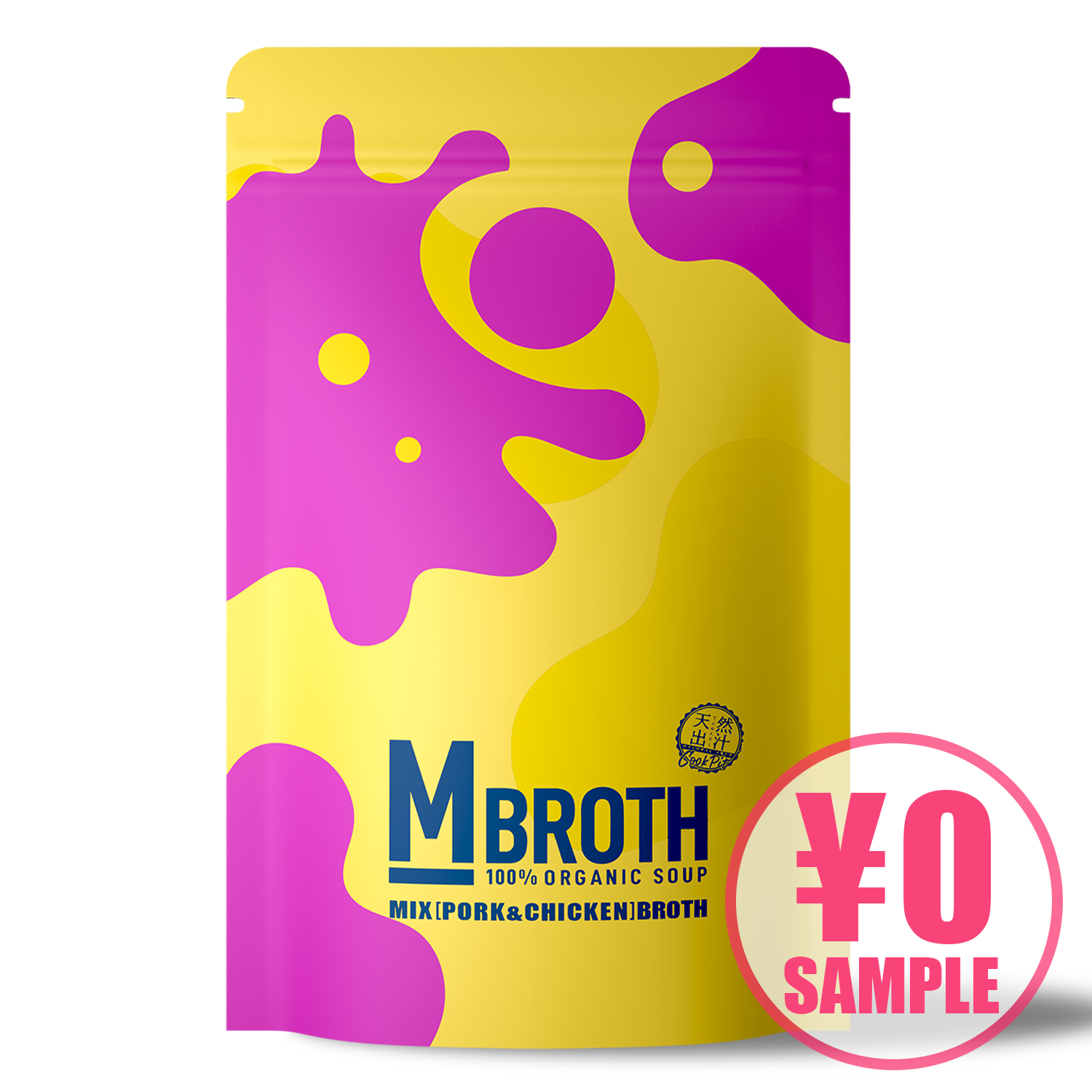
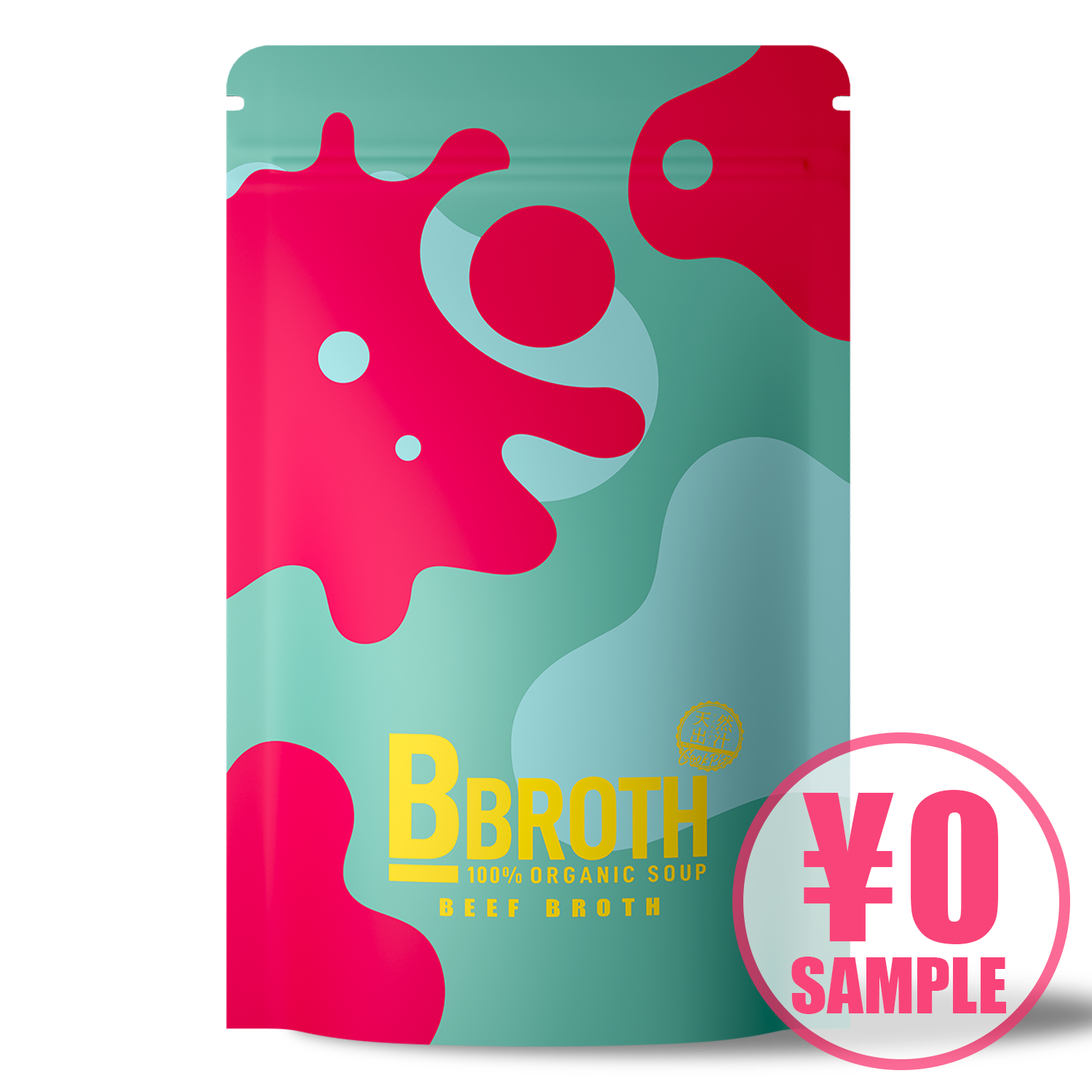
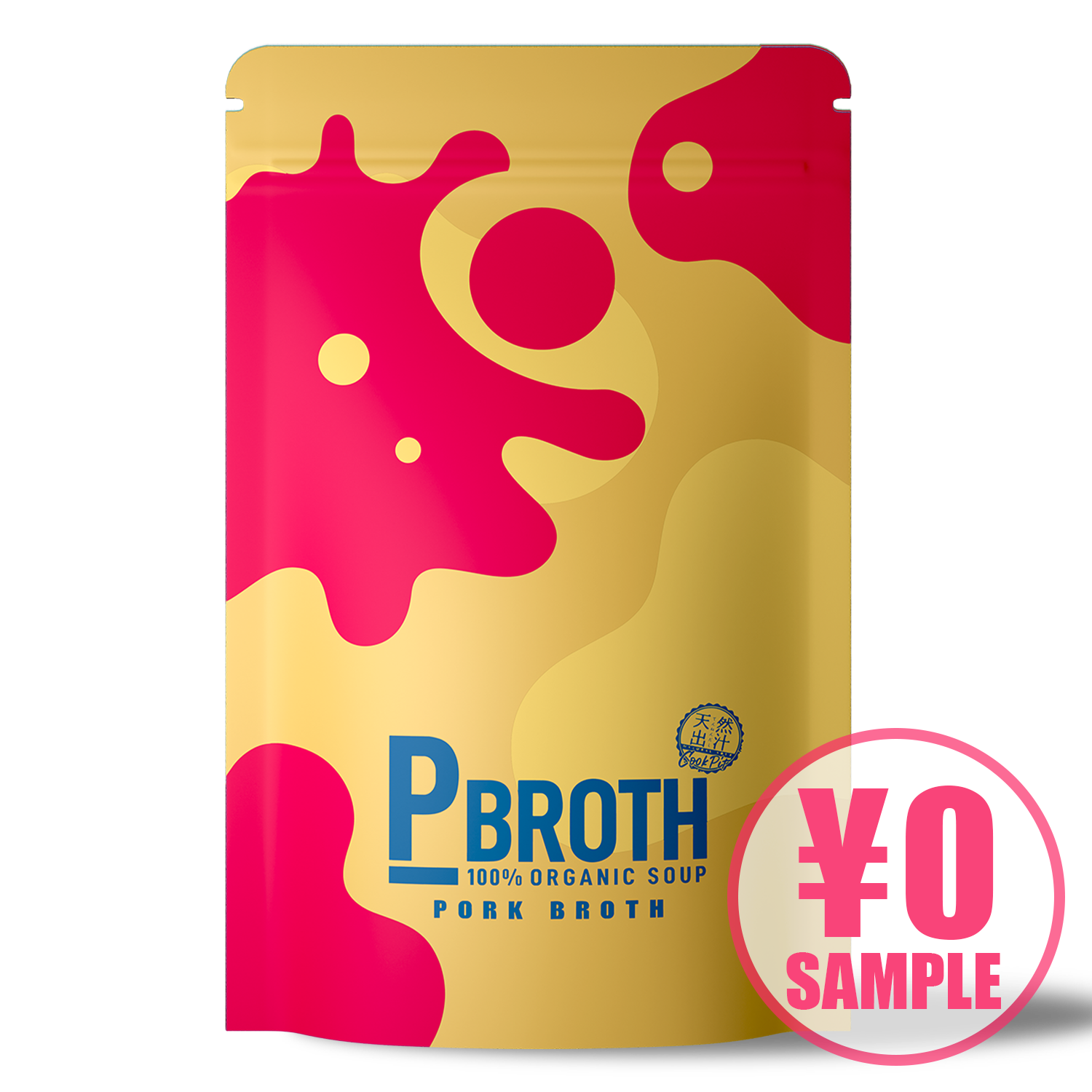
Popular Ramen ingredients
Why not try another ingredient that will increase your average customer spend?
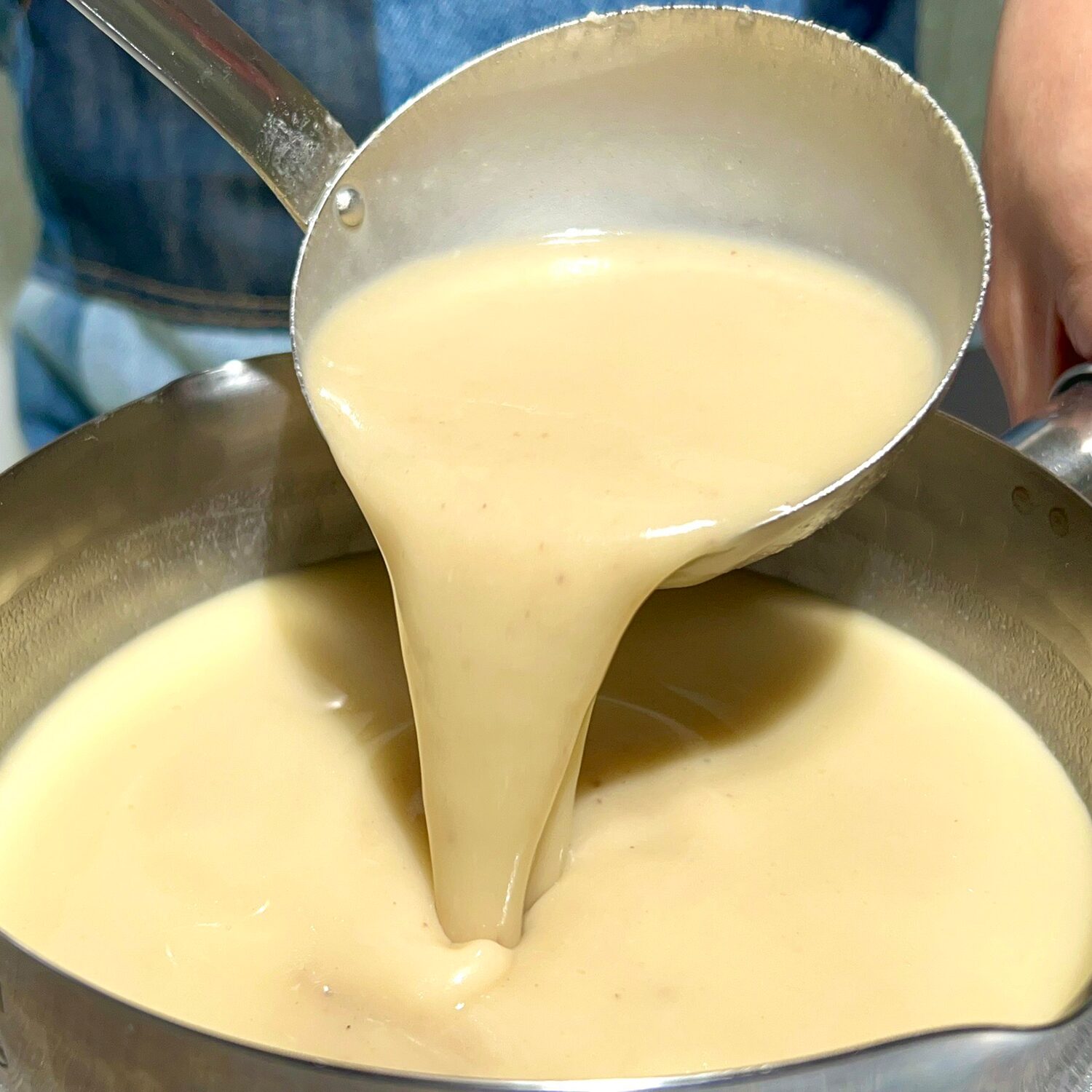
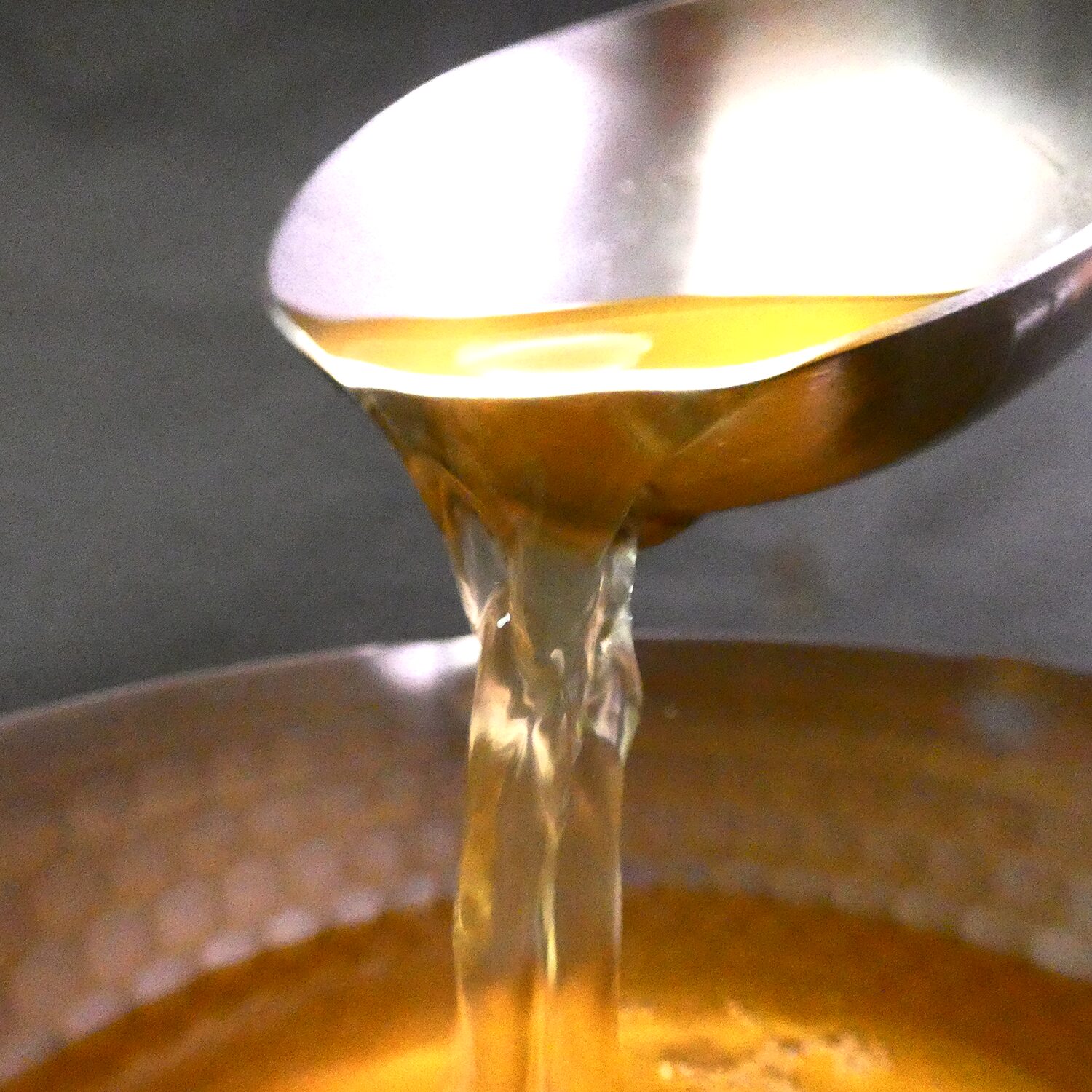
Others also viewed this recipe
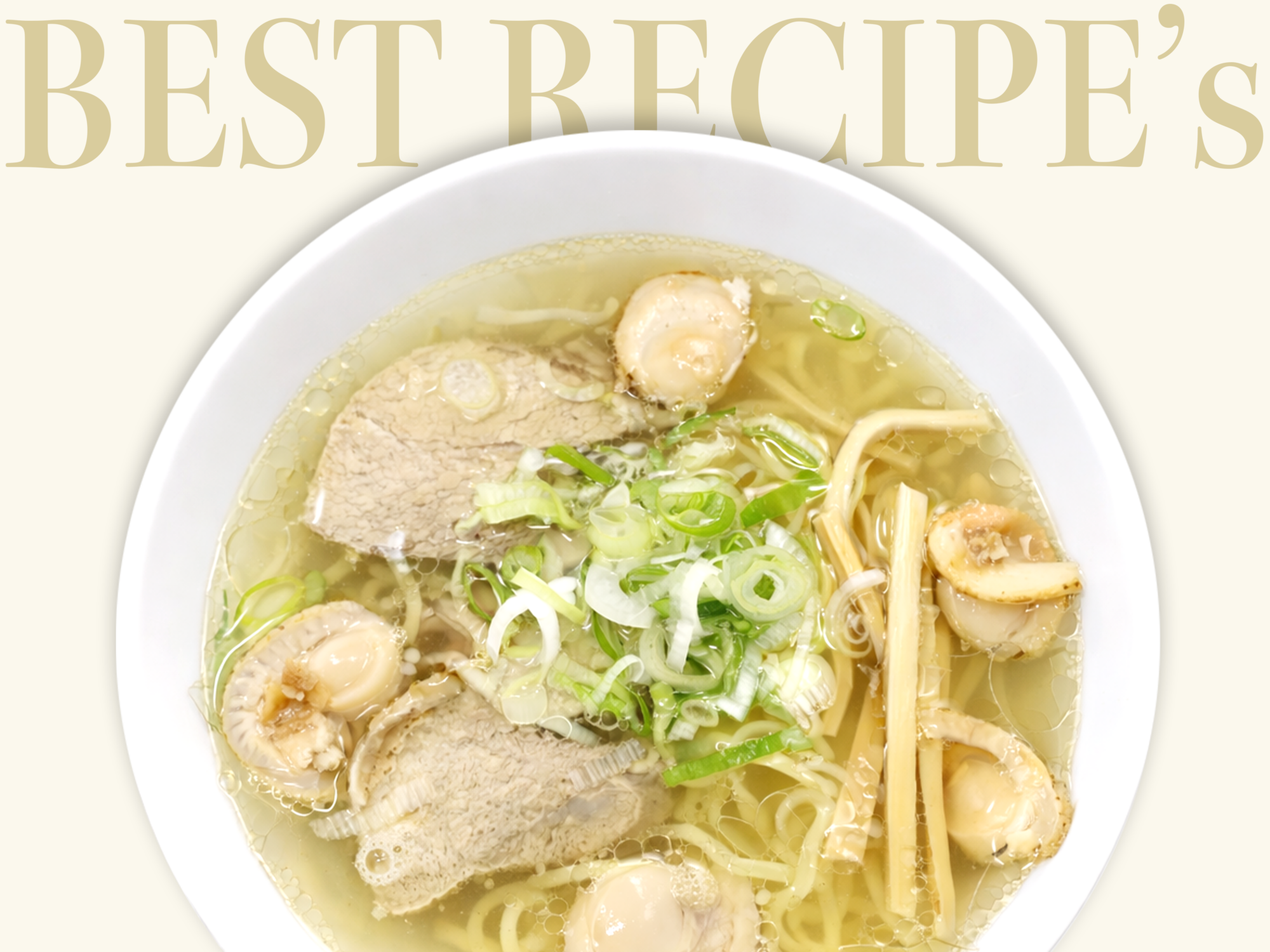
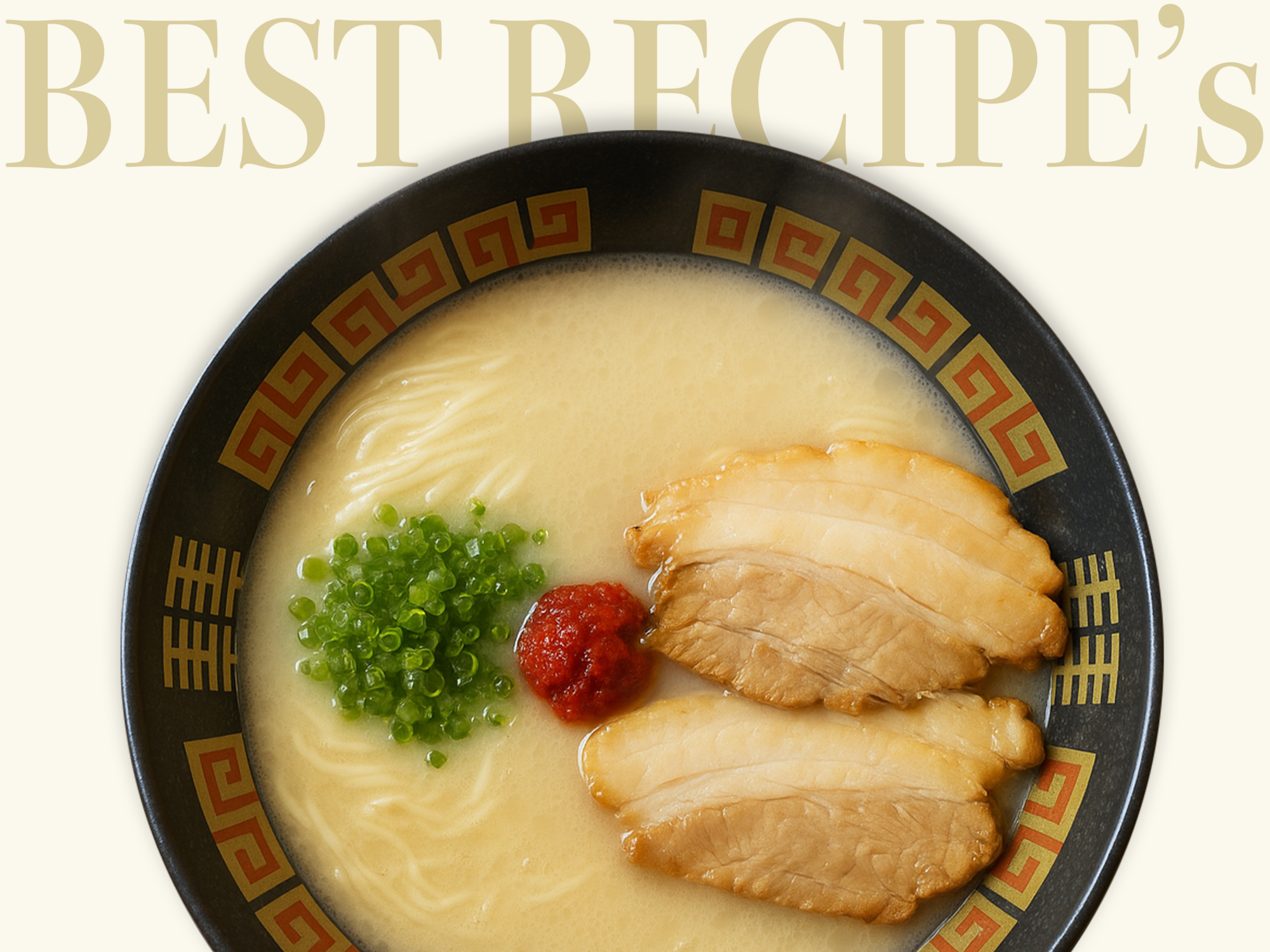
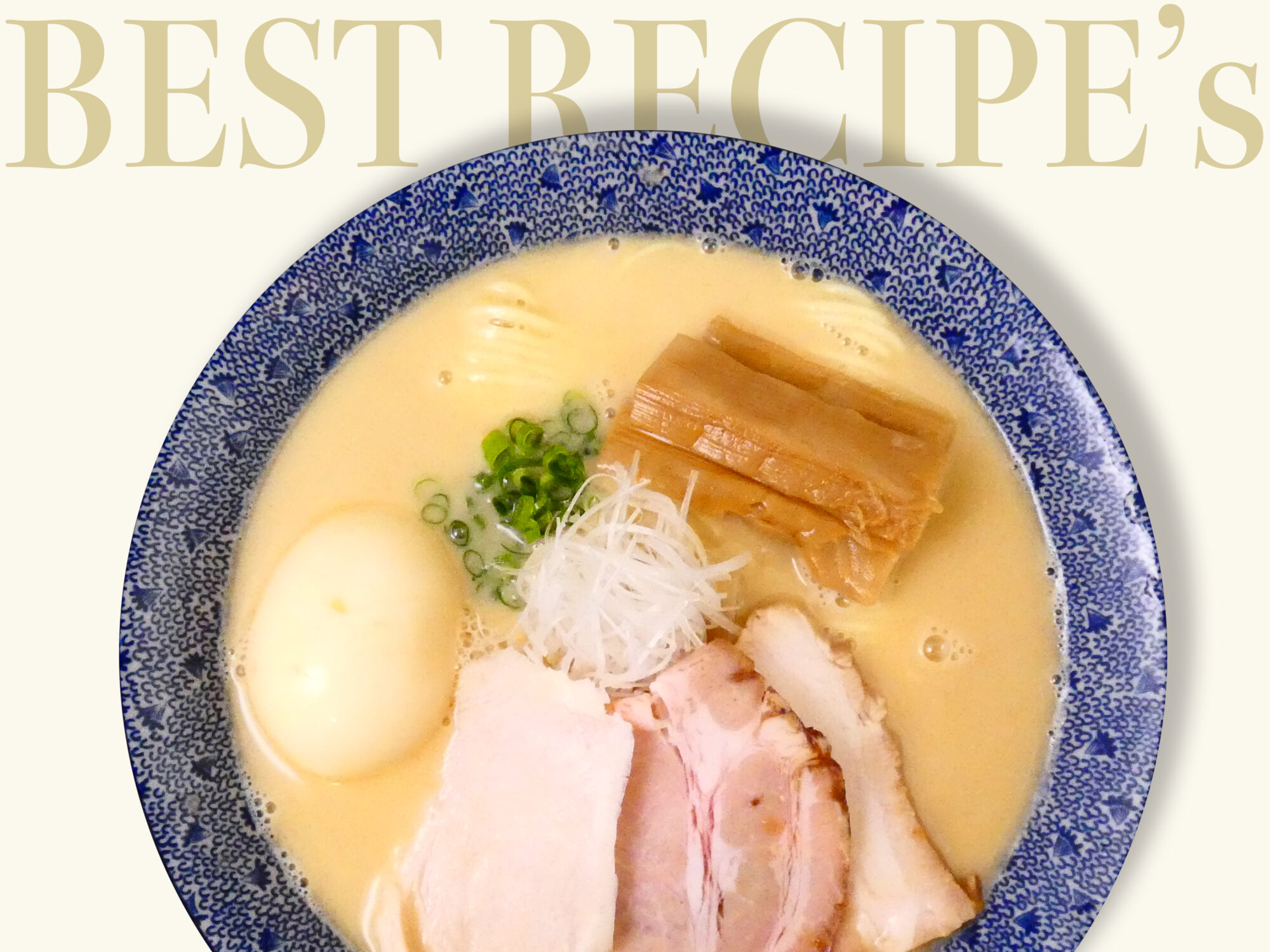
Others also viewed this soup recipe
Precautions
*Created by Nishio Ryoichi as an homage.
*This recipe is for reference only. It aims to have a similar taste, but may differ from the actual recipe.
References
■ Title: "Ramen Encyclopedia"
■Author: Ryoichi Nishio
■Publisher: Asahiya Publishing Co., Ltd.