[Perfect Reproduction] A recipe that recreates the professional taste of Hope-ken Honpo 's pork bone back fat soup
 Fumiaki Hokazono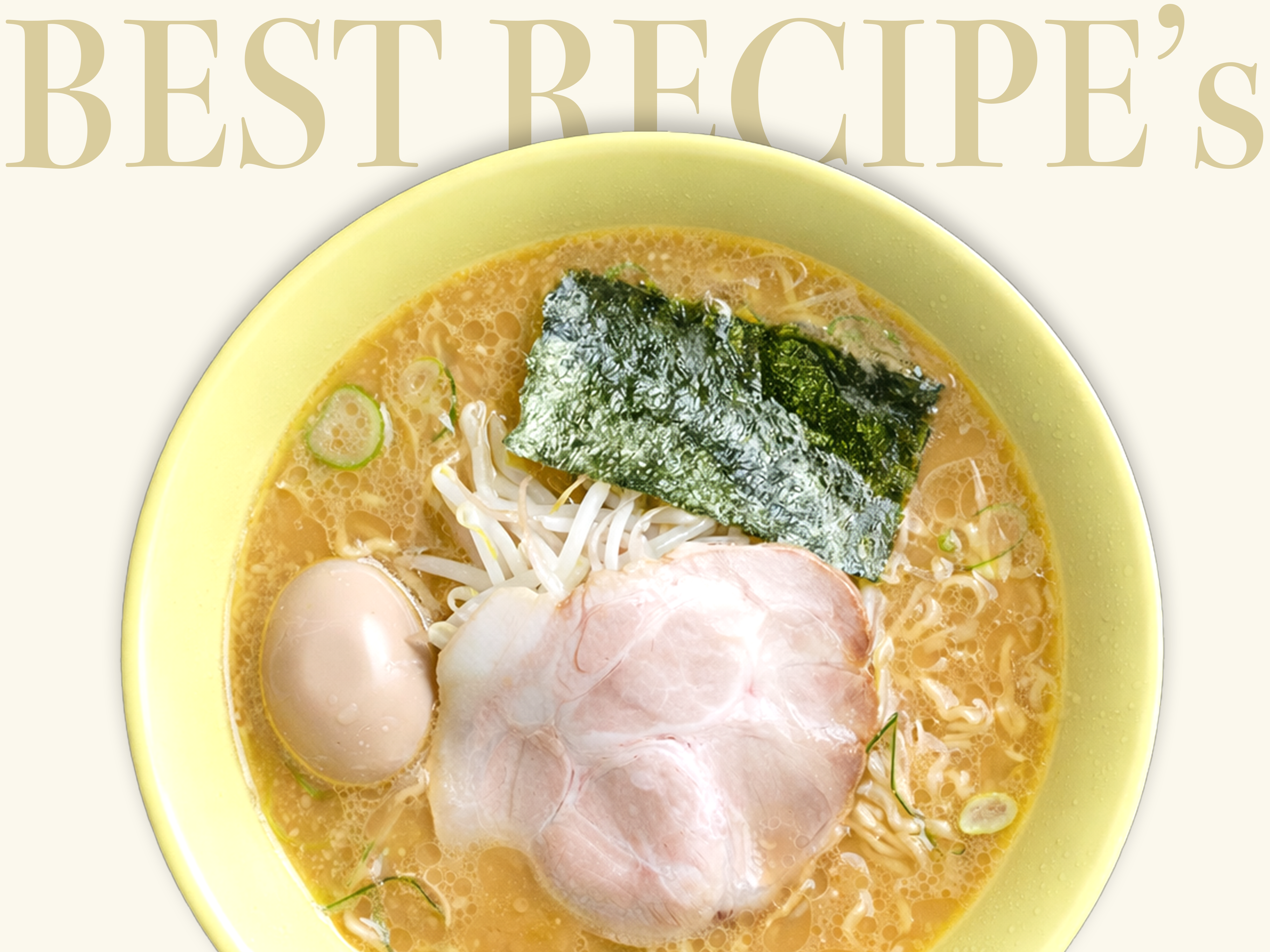
How to make Hope-ken Honpo back fat Ramen
Introduction
This is an introduction to a recipe that recreates the Tokyo Back Fat Pork Bone Shoyu Ramen from Hope-ken Honpo in Musashino City, Tokyo.
Hope-ken Honpo 's Tokyo Back Fat Pork Bone Shoyu Ramen is made with a soup stock extracted from carefully simmered pork bones and vegetables, resulting in a rich yet mellow soup with a hint of sweetness. You can also add the special table spice "Touka," as well as vinegar and pepper, to your liking to change the flavor, so why not try to find your own favorite taste?
This is a recipe that uses commercial Ramen soup to easily recreate the taste of Hope-ken Honpo 's Tokyo Back Fat Pork Bone Shoyu Ramen.
How to make Tokyo backfat pork bone Shoyu Ramen from "Hope-ken Honpo"
Hope-ken Honpo ingredients
・Water...10 liters
・Pork knuckles...3kg
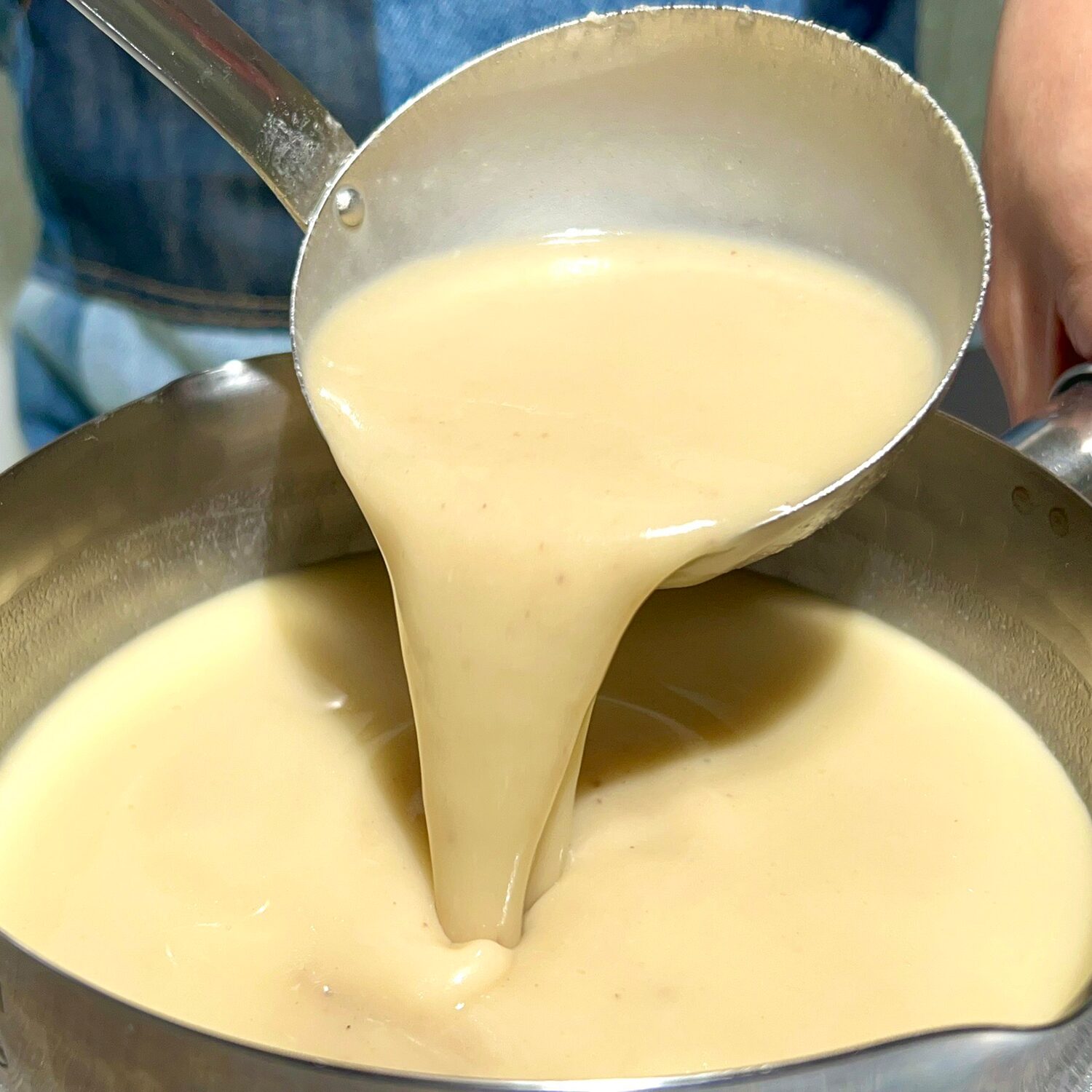
・ [Commercial Use] Rich Pork White Soup (CP-B10)...3kg
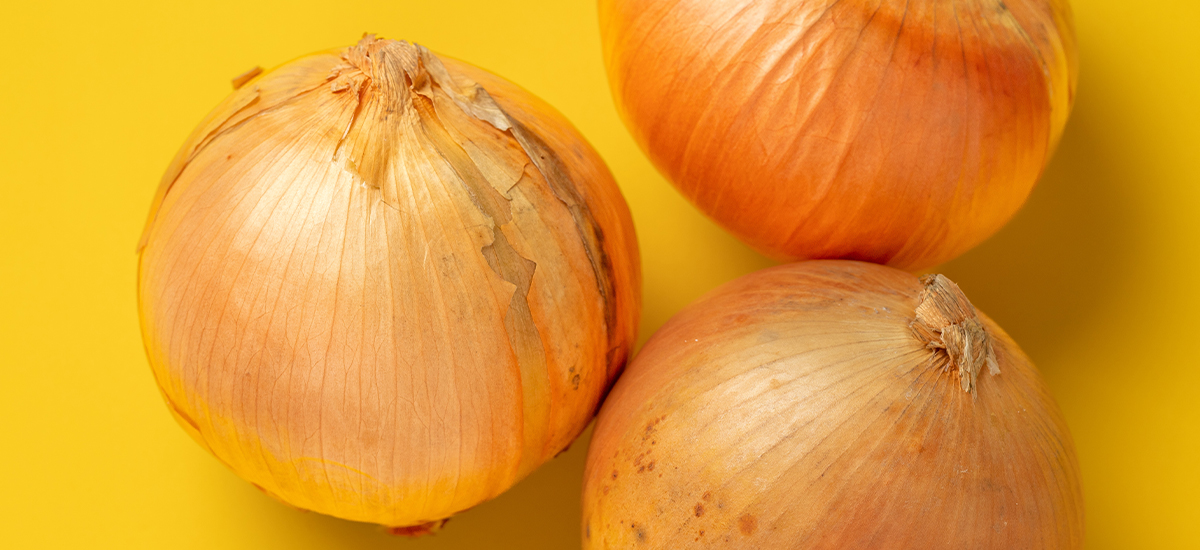
・ Onion ・・・・100g
・ Garlic...50g
・ Ginger...20g
How Hope-ken Honpo is made
- Boil the pork knuckles in boiling water for 2-3 minutes to Blood removal, then immediately remove and rinse under running water.
- Place the drained pork knuckles in a pot and cook over high heat for 2 hours.
- By carefully removing the scum that appears during the process, you can reduce strange odors and unpleasant flavors.
- Add the vegetables and cook over high heat for 3 hours.
- Cook while breaking down the bones, and if the soup Evaporation and reduces during cooking, add water to make up for the loss and return it to the original amount.
- Once the bones have been broken down, they will form the base of the flavor. [For commercial use] Add the frozen Rich Pork White Soup (CP-B10) and dissolve over low heat.
- Once the frozen soup has thawed and the flavors have blended well, it is ready.
A simple recipe for "Hope-ken"
👉 [Free Sample] "Hope-ken" Replica Set Here>>
Ingredients (for 1 cup)
- [Commercial Use] Rich Pork White Soup (CP-B10)... 150g
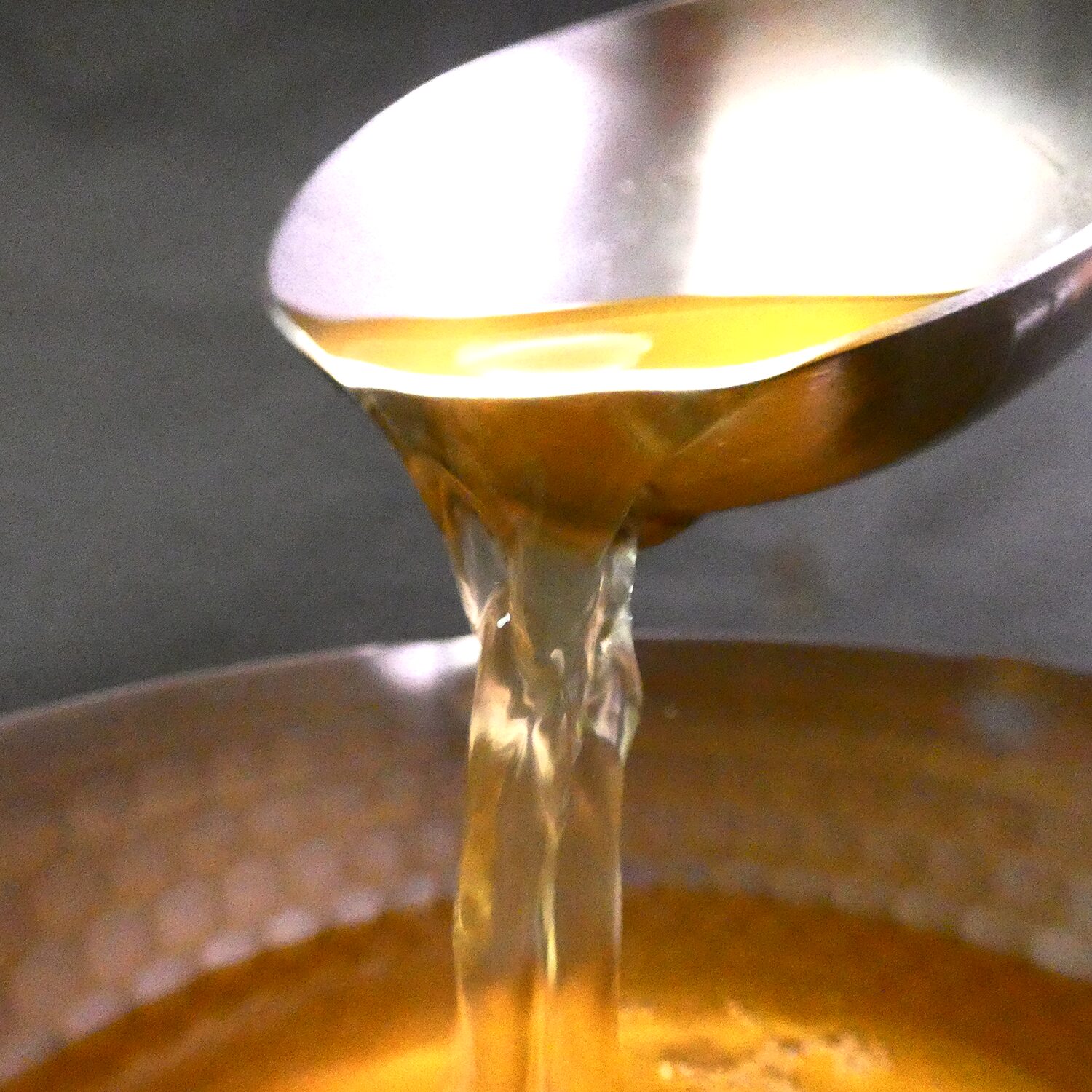
- Vegetable stock...150g
- [For commercial use]"Hope-ken" Replica Kaeage (Seasoning)...35g
- Thick noodles...1 ball
- [For commercial use] Pork shoulder loin...appropriate amount
- Bean sprouts...appropriate amount
- Green onion...appropriate amount
- [For commercial use] 6-cut nori seaweed...1 sheet
How to make it
- [For commercial use] Dissolve the thick pork white soup.
- Add Onion and Ginger to water and simmer for 20 minutes to make vegetable stock.
- Combine rich pork broth soup with vegetable stock.
- Pour the soup into the warmed bowls.
- Add the noodles and toppings and it's done.
「ホープ軒本舗」再現サンプル
[Limited quantity] Free sample delivery for only 500 yen shipping!
For enquiries, please contact us below.
History and origins
Tokyo Tonkotsu Ramen has a lineage that sparked a major "back fat chacha" (pork bone and soy Shoyu) trend in Tokyo from the 1980s to the 1990s. Its origins date back to 1978, when Namba Fumio, founder of the Kichijoji Ramen shop Hope-ken Honpo Honpo, began as a stall called Binboken in 1935, disguised as a struggling student in Kinshicho. After the war, it expanded to Asagaya, where shopkeepers dressed as Chinese people ran a shack-style shop called Seikagoshi. Around 1950, it expanded as Homerunken, modeled after baseball players returning from the war. Around 1966, the seasoning was Shoyu sauce-based, but eventually it shifted to a cloudy pork bone (tonkotsu) broth, leading to the creation of Ramen known as Tokyo Tonkotsu. Hope-ken Honpo is a food stall rental business that opened a Ramen stall in 1960, and is said to have rented out as many as 103 stalls at its peak. Sendagaya Hope-ken opened its doors in 1975. It opened its stall in 1963 and has produced restaurants such as Tosakko, which opened its doors in 1972. Sendagaya Hope-ken has also produced restaurants such as Katsuki and, in 1985, Benkei.
Tosakko people produced such names as Heitashu, Shimodohashi, and Joppari.
Take "Katsuki," which started out as a rented food stall. It began as a truck stall in Aoyama in 1975, then opened a Ramen shop in a 20-square-meter space in Shibuya, and after moving to Ebisu, it was popular for its firm noodles, extra back fat, char siu, and seaweed toppings, along with its incredible service, which involved memorizing many of the menu items. Suzuki-san, who worked with the founder, now runs a Ramen shop called "Takumi" in Azabu-Juban. It is a rare shop where you can relive the flavors of the past.
Store Information
- Store name: Hope-ken Honpo Kichijoji store
- Address: 1-14-12 Kichijoji Honmachi, Musashino City, Tokyo
- 営業:11:00~24:00
- Closed: 1st and 3rd Wednesdays
*Business hours and holidays may change, so please check with the store before visiting.
Would you like to increase your average customer spend?
Popular Ramen ingredients
Why not try another ingredient that will increase your average customer spend?
Others also viewed this recipe
Others also viewed this soup recipe
Precautions
*Created by Nishio Ryoichi as an homage to Hope-ken Honpo.
*This recipe is for reference only. It aims to have a similar taste, but may differ from the authentic "Hope-ken Honpo" recipe.
References
■ Title: "Ramen Encyclopedia"
■Author: Ryoichi Nishio
■Publisher: Asahiya Publishing Co., Ltd.