[Perfect Reproduction] A recipe that recreates the professional taste of "Wakkanai Chamen
 COOKPIT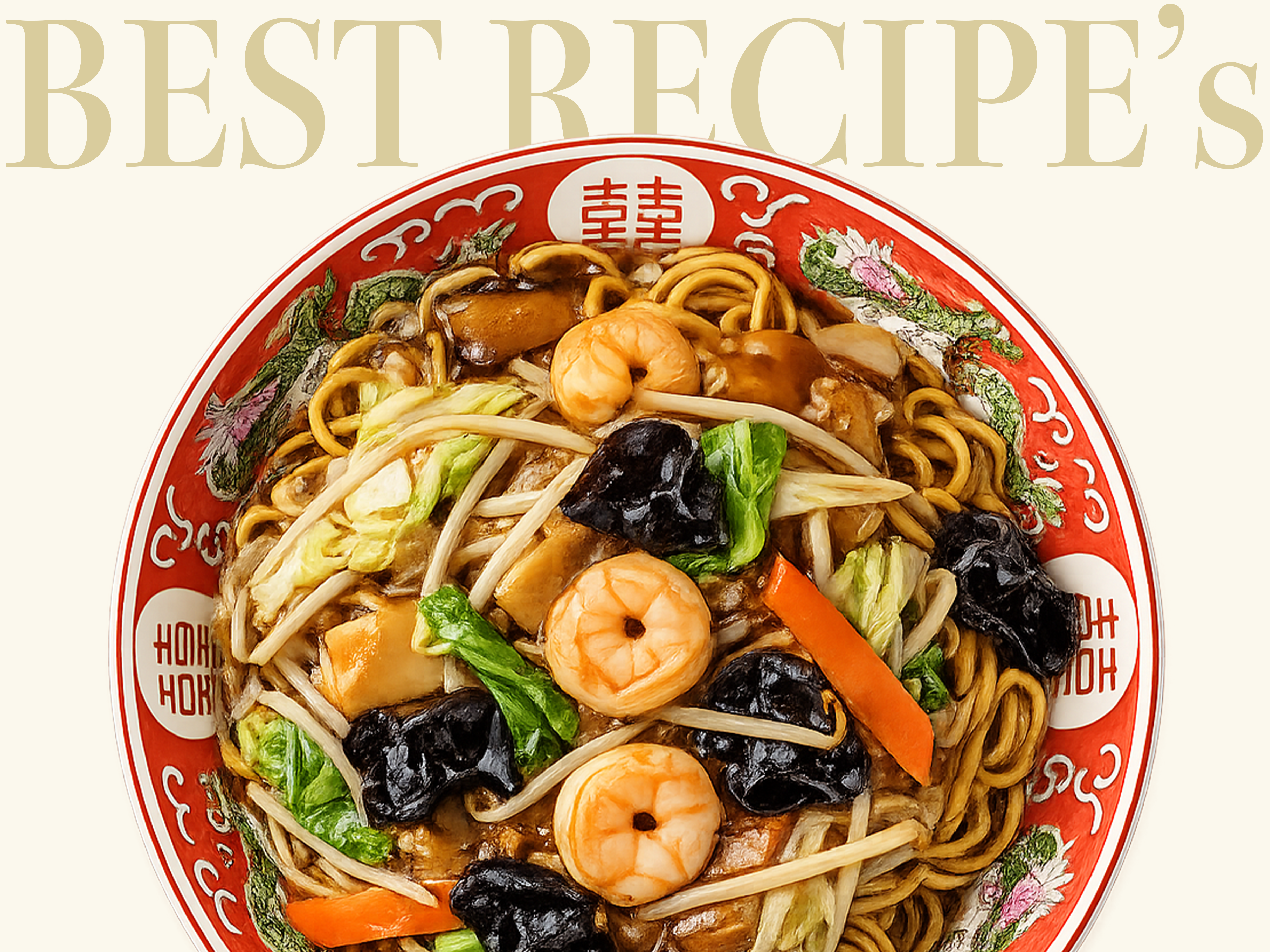
How to recreate "Wakkanai Chamen
Introduction
This is a recipe for chow mein, a local noodle dish representative of Wakkanai City, Hokkaido. Chow mein is a Ramen dish made with noodles that are first boiled, then fried or grilled to create a crispy texture, topped with a seafood-based sauce. It's essentially the same as ankake yakisoba, but in certain areas of Japan, it's called "chamen." The Wakkanai area, in particular, is said to have the most chow mein restaurants in Japan, and yakisoba is sometimes referred to as chamen, while ankake yakisoba is sometimes referred to as ankake chamen. Chow mein is typically salt-flavored, referring to shio-yakisoba, but some restaurants offer a choice of Shoyu sauce or salt flavors. This recipe uses commercial Ramen soup to easily recreate the flavor of chow mein.
How to make Wakkanai Chamen
Ingredients for Wakkanai fried noodles
Ingredients for sauce (serves 2)
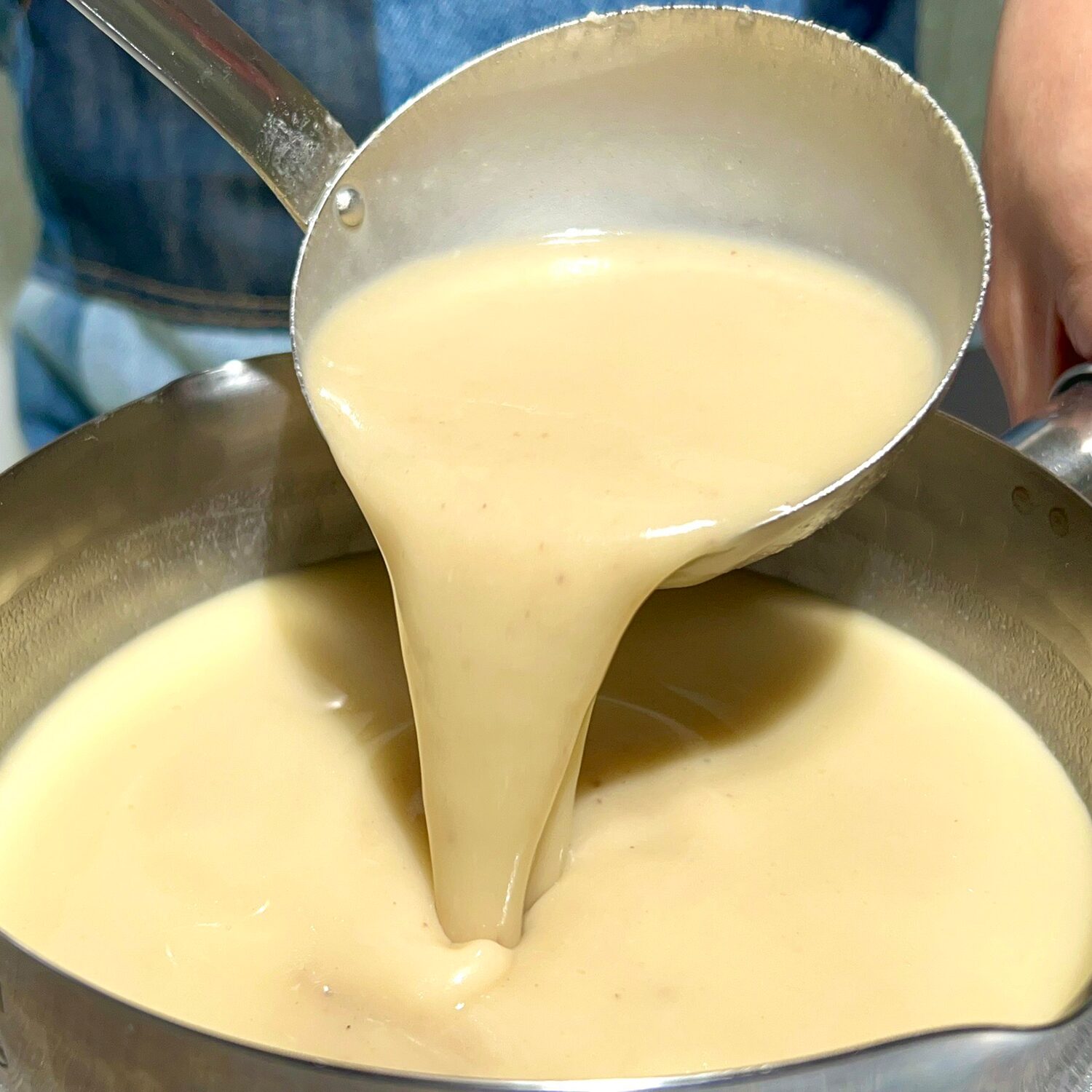
・Soup for thick sauce・・・400ml
・ Commercial Tonkotsu Soup (CP-B8)...60ml
・Shrimp・・・10 pieces
・Scallops...4 pieces
・Squid・・・30g
・ Cabbage...30g
・Carrot...10g
・Bean sprouts...10g
・Shiitake mushrooms...4 pieces
・Salad oil...appropriate amount
・Potato starch dissolved in water
・Water...15ml
・Potato starch...15g
How to make Wakkanai fried noodles
- The noodles are boiled and then cooked in Frying pan with oil. Some restaurants also deep-fry the noodles.
- Stir-fry seafood and vegetables, add thickened soup and tonkotsu soup, and make the filling using water-dissolved potato starch.
- Season with Shoyu or salt. Pour a generous amount of the sauce over the noodles and it's done.
For those who want to recreate the taste of this Ramen shop✨
We can recreate the taste of this Ramen.
If you send us the information about your benchmark store, we will send you a free sample of our recreated flavor!
\ Complete in just 30 seconds! /
Professional purchasing and cooking tips
The key to bringing out the flavor of the chow mein is the pork bone white soup base.
By purchasing soup, seasoning, flavored oil, pork fillet, seasoned egg, and seaweed all in one package, you can minimize the risk of ordering errors and inventory dispersion.
History and origins
Wakkanai has a local noodle dish called "chamen," which can be considered a sub-type of Ramen. It is a noodle dish made by pouring stir-fried noodles with a sauce made from seafood and vegetables selected by each restaurant. The name "chamen" is only used in very limited areas of Japan, but Wakkanai has many chamen restaurants.
There are two theories about its origins. One is said to be the origin of the now-closed Ramen shop "Koran," and the other is said to be the still-existing "Aji no Kaku-san." In either case, it began after the war, and many shops still exist today from the 1960s. Its two defining features are: 1) boiled Chinese noodles are baked or deep-fried to brown the noodles, and 2) a thick sauce made with vegetables or seafood is placed on top. Furthermore, each shop has its own unique characteristics, such as how the noodles are cooked and the ingredients used.
Store Information
- Store name: Daisho
- Address: 1-15-10 Midori, Wakkanai, Hokkaido
- sales:-
- Closed: None
*Business hours and holidays may change, so please check with the store before visiting.
For those who want to recreate the taste of this Ramen shop✨
We can recreate the taste of this Ramen.
If you send us the information about your benchmark store, we will send you a free sample of our recreated flavor!
\ Complete in just 30 seconds! /
Would you like to increase your average customer spend?
Popular Ramen ingredients
Why not try another ingredient that will increase your average customer spend?

Others also viewed this recipe
Others also viewed this soup recipe

Precautions
*Created by Nishio Ryoichi as an homage to Wakkanai fried noodles.
*This recipe is for reference only. It aims to have a similar taste, but may differ from the authentic "Wakkanai Chow Mein" recipe.
References
■ Title: "Ramen Encyclopedia"
■Author: Ryoichi Nishio
■Publisher: Asahiya Publishing Co., Ltd.